 World Simulator
AI World Models
In-depth profiles of the models that generate interactive worlds: how each one works, what hardware it needs, whether it is open, and where you can try it. For the ranking, see our world model leaderboard.

Genie 4
Google DeepMind's newest world model: real-time interactive worlds with native audio, characters that move and speak, and Gemini keeping the story coherent.

Happy Oyster
Alibaba's answer to Genie: a world you steer while it is being generated, with picture and sound produced together in one continuous stream.
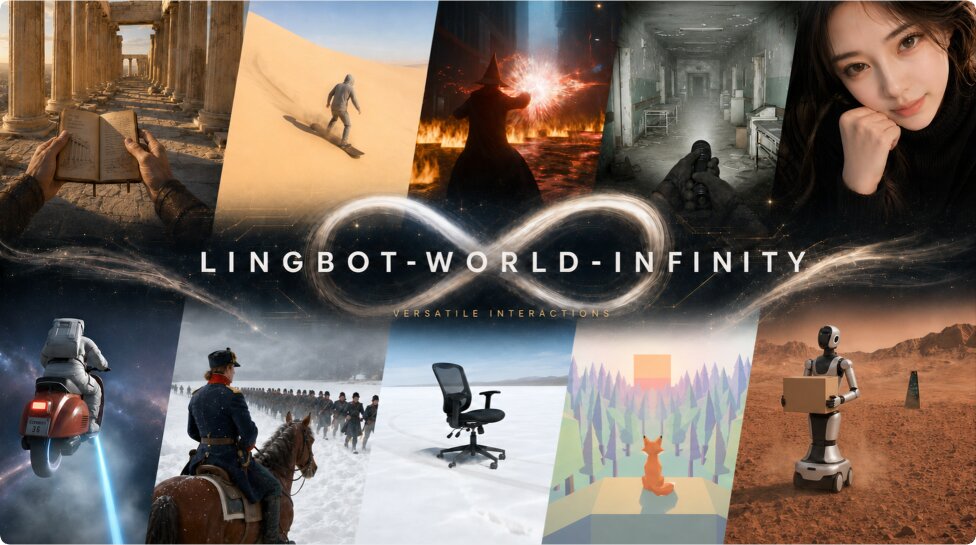
LingBot-World 2.0
Robbyant's open-source world model built for time: interactive worlds from a single image that stay coherent for an hour or more, at 720p and 60 FPS.
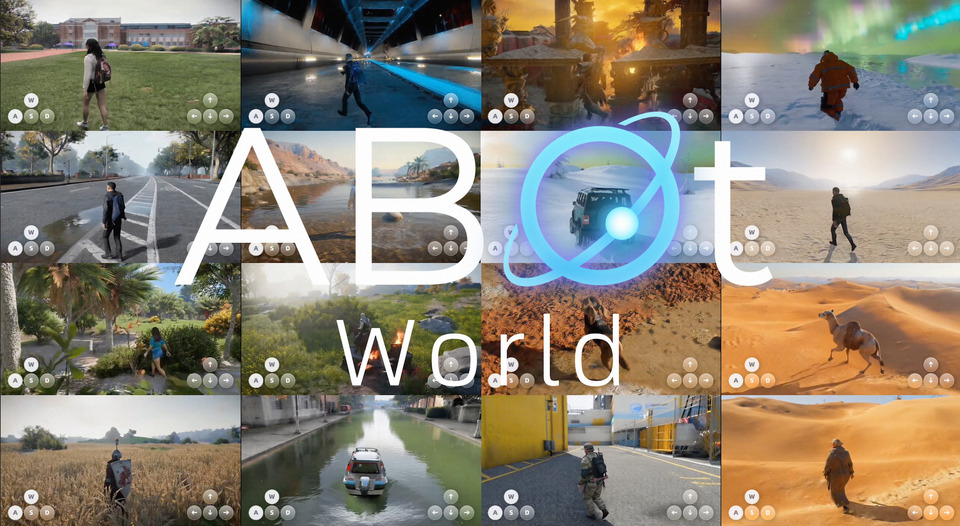
ABot-World-0
The world model you can actually run yourself: an open 5-billion-parameter model that streams an interactive world in real time from a single desktop GPU.
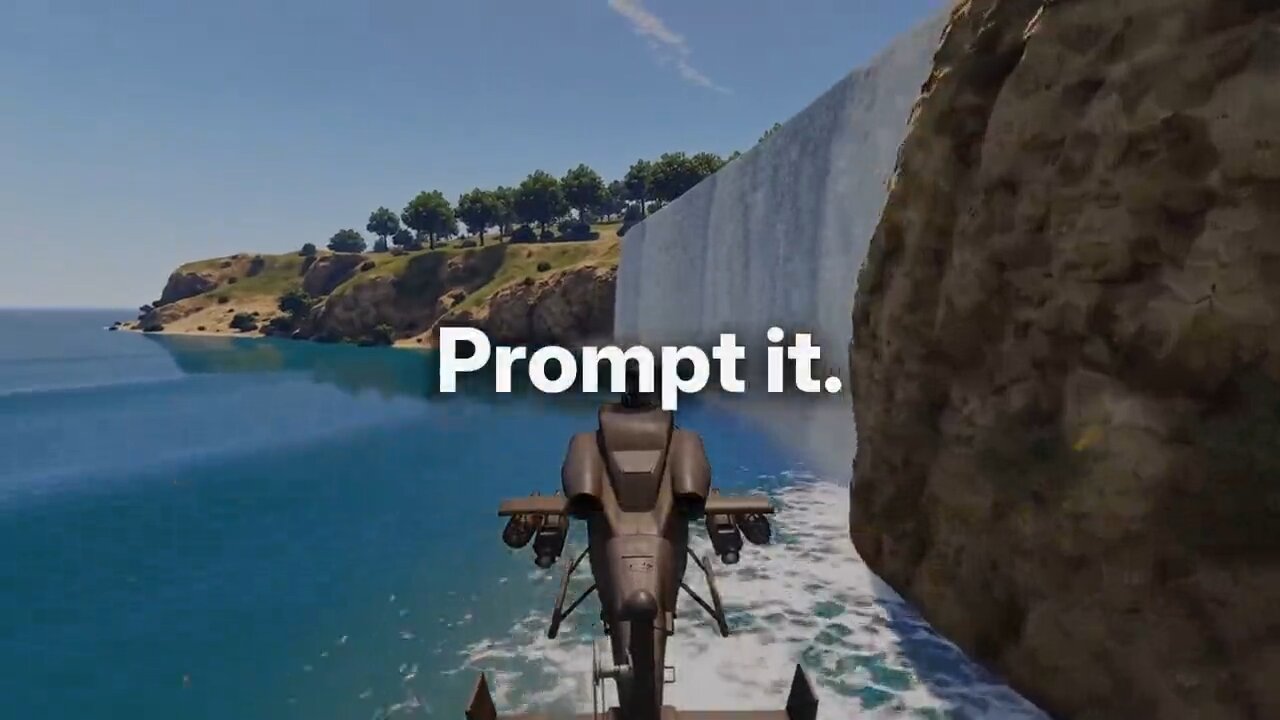
Hy-Nomas
Tencent's open-source world model for free-form, turn-by-turn world building — steer each new segment with text or a camera path.

Odyssey-3
One world model for robots, humanoids, cars, drones and games: Odyssey's bet that learning how the world works is the shortcut to physical AI.
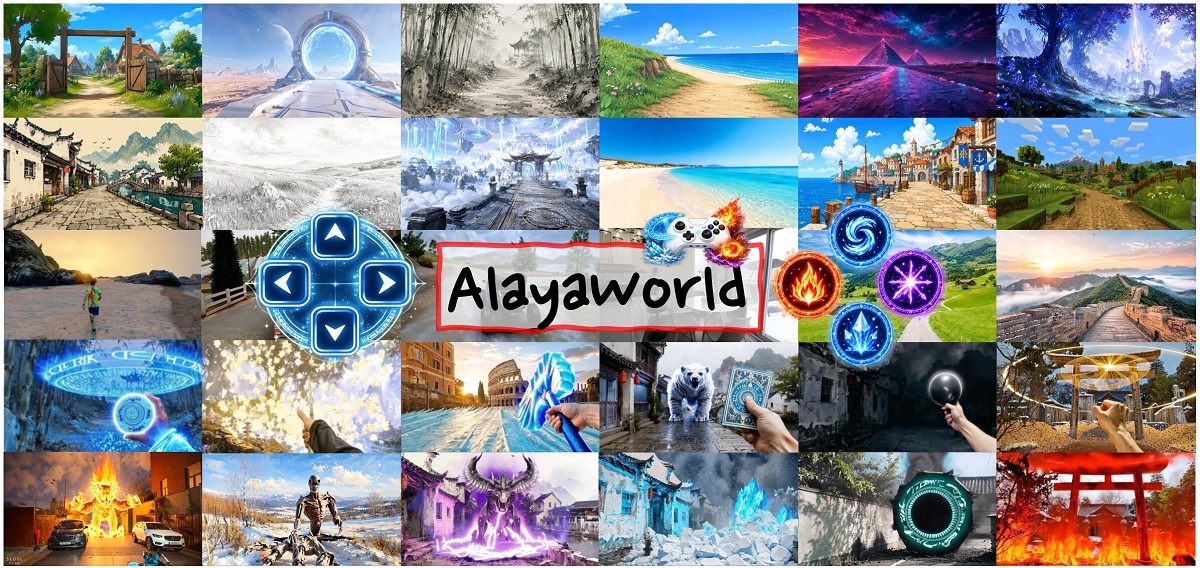
AlayaWorld
A full-stack open-source world model built around one priority: remembering where you have already been.
WorldCrafter
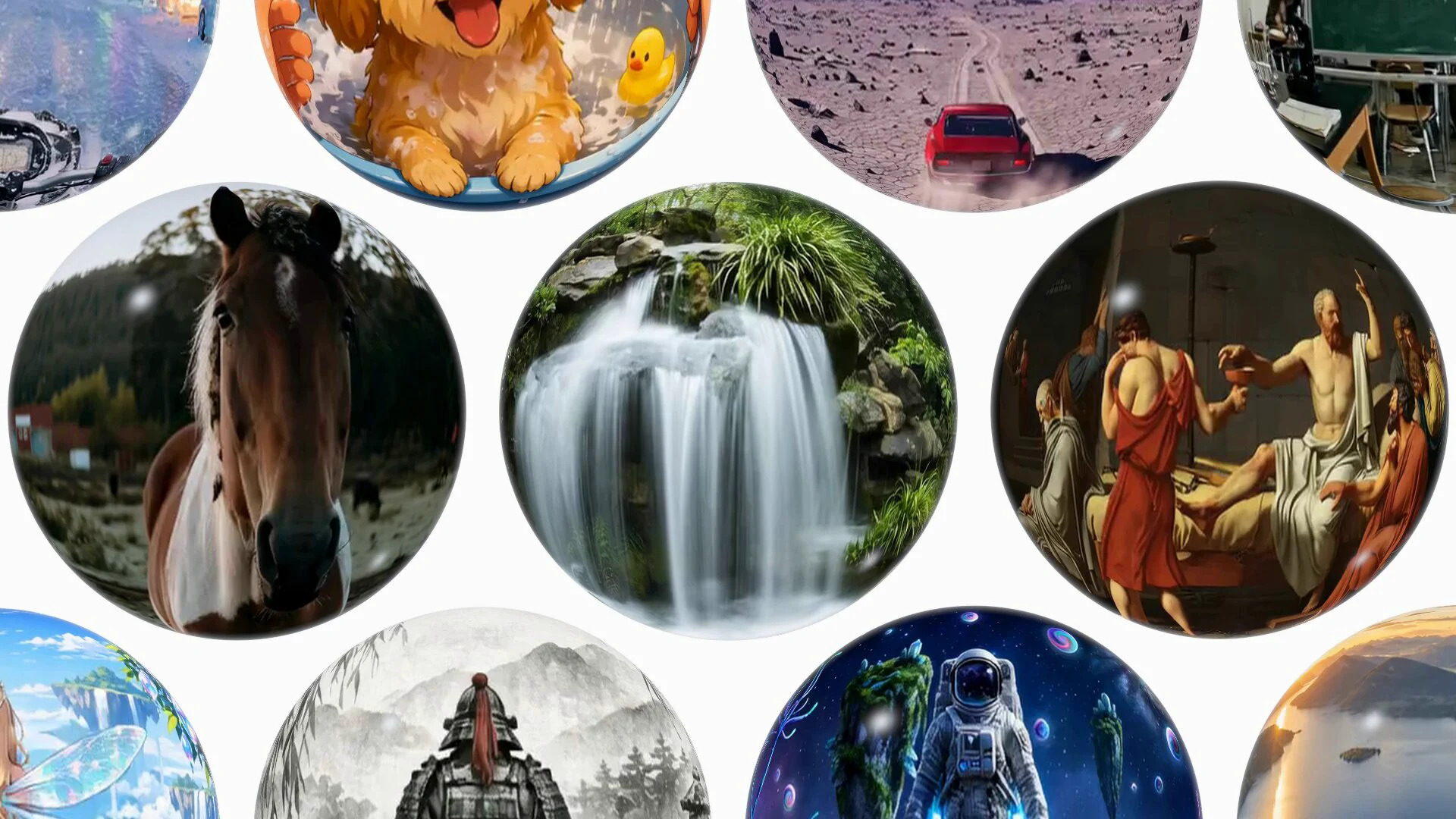
Tencent's research answer to “look away and it's gone”: a memory the camera can query, so places you have seen come back the way you left them.
World Labs (Marble & Atlas)
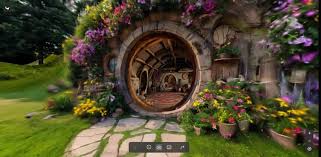
Fei-Fei Li's World Labs models space itself: Marble builds persistent 3D worlds, Atlas directs camera-perfect video and reconstructs scenes in 3D.

GWM Worlds 2
Runway turns its audio-video generator into a live, playable simulation — directed with text actions addressed to each character, for as long as you play.
HY-World 2.0
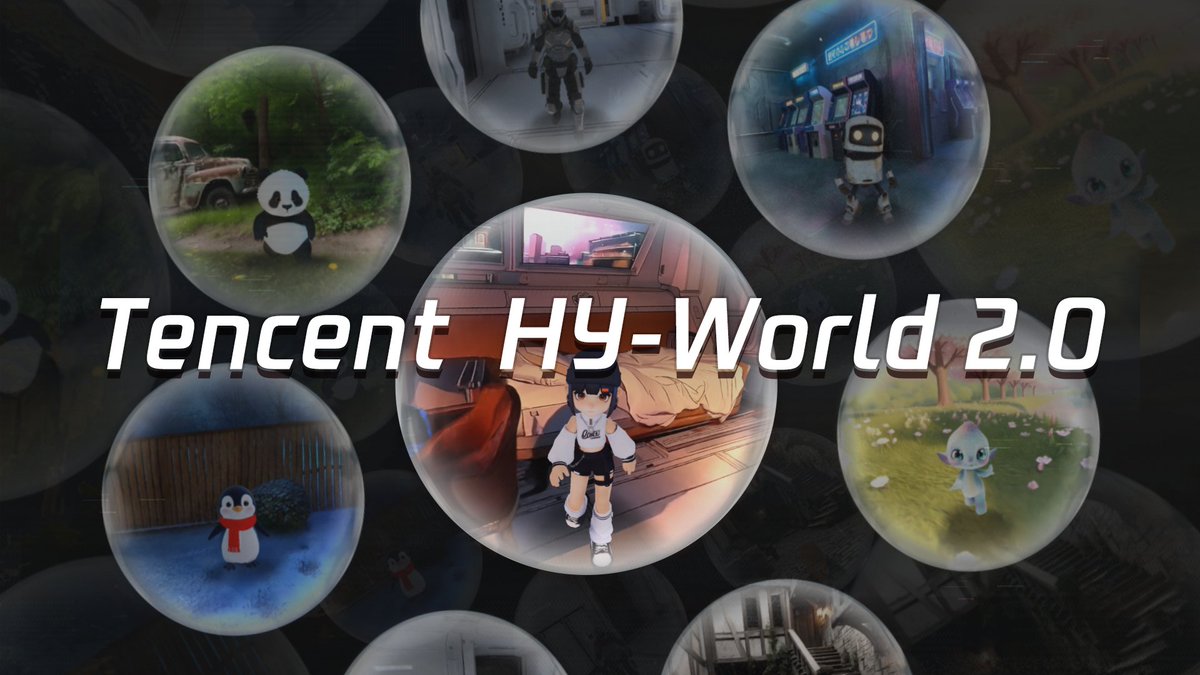
Tencent's world model that builds real 3D instead of disposable video: meshes, Gaussian splats and point clouds that drop straight into game engines.
Oasis AI
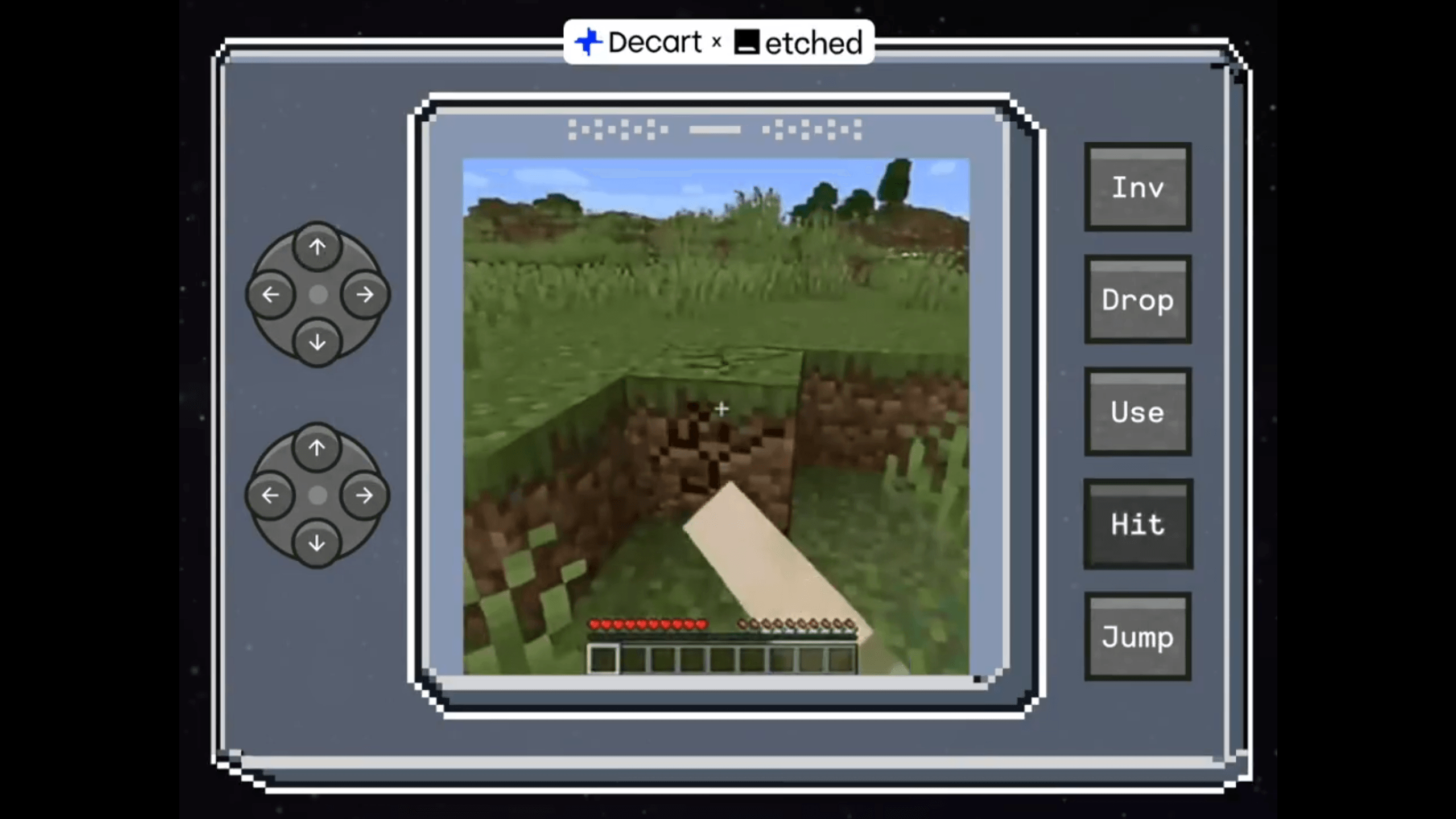
The first playable game generated entirely by AI: a Minecraft-style world where every frame is predicted live, with no code or game engine behind it.
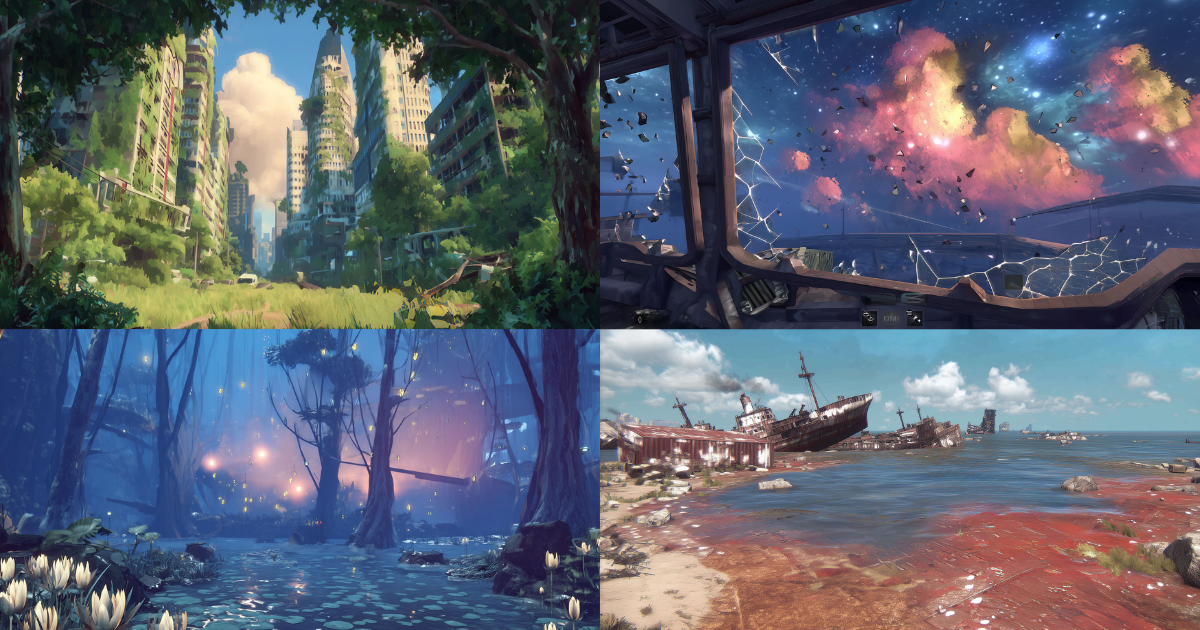
Waypoint (Overworld)
A real-time world model built for the hardware people already own: game-like worlds generated locally at up to 720p and 60 FPS, open source under Apache 2.0.
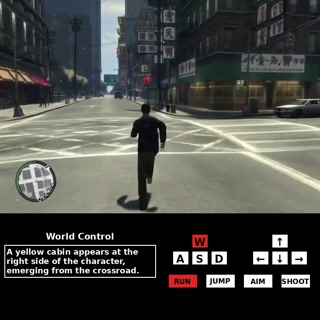
Magica (Mirage 2)
An AI-native user-generated-content game engine: turn any image into a playable world and reshape it mid-game with a sentence. It appears to have been discontinued.