
What was Magica?
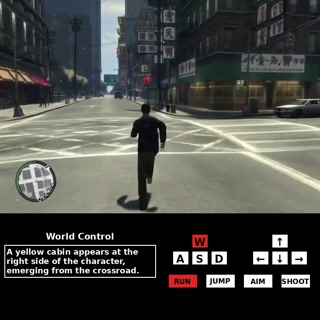
Magica, also called Mirage 2, was Dynamic Labs' attempt at an AI-native user-generated-content game engine. Its standout trick was changing worlds on the fly in natural language: type “change to cyberpunk city” mid-game and the environment transformed around you. You could also upload any image — a child's drawing, concept art, a famous painting — and turn it into a playable environment in the browser.
Why it mattered
Magica pointed at a future where anyone can make a game by describing it, without assets or code. Its rapid update pace, with major releases weeks apart, made it one of the most visible experiments of its generation.
Limits and status
Quality degraded during extended sessions, character control was sometimes imperfect, and visual consistency lagged behind competitors. The project now appears to have been discontinued. For similar text-driven, playable worlds today, look at LingBot-World 2.0, Hy-Nomas or Overworld's Waypoint.
Strengths and limitations
Strengths
- Change the world mid-game with plain language
- Turn any image into a playable environment
- Browser-based
Limitations
- Apparently discontinued
- Quality degraded in long sessions
- Weaker consistency and character control
Who is Magica (Mirage 2) for?
Readers researching the history of AI game engines; for something to play today, see the alternatives below.
Frequently asked questions
Is Magica still available?
It appears to have been discontinued. Check the Dynamic Labs blog for official updates.
Is Magica the same as Mirage 2?
Yes. Magica is also known as Mirage 2, from Dynamic Labs.
What are alternatives to Magica?
LingBot-World 2.0 and Hy-Nomas for text-driven worlds, and Overworld's Waypoint for a playable, local real-time model.